How to Find the Real Color Trading Website in 2026
The safest way to start Color Trading is to make sure you are on the real website before you register, deposit, or download anything. That sounds basic, but it is where many new players make their first mistake. They search for broad terms such as "color trading app", "30 second color trading", or "color trading real earning", click the first ad they see, and assume that any site using the same name must be official. That assumption is exactly what fake operators depend on.
In 2026, clone sites are not always obvious. Many copy the same colors, the same buttons, and the same marketing phrases. Some even build landing pages that look polished enough to pass a quick glance. The difference is not in the headline. The difference is in the trust signals around the domain, the way the platform explains risk, and whether the site behaves like a real product or just a deposit funnel.
Why Fake Websites Keep Appearing
Color Trading attracts search demand because it is simple to understand and fast to try. That combination is good for real platforms, but it also attracts imitators. A fake operator does not need to build a strong product. It only needs to capture search traffic, create urgency, and push a new user toward the first deposit. Many clones survive by exploiting three beginner assumptions: that fast games must also have fast profits, that a copied interface proves legitimacy, and that screenshots of wins are evidence of trust.
That is why the "official website" question matters more than it seems. It is not just about convenience. It is about whether you are using a platform that explains the rules clearly, offers a usable demo environment, and avoids the usual scam language around guaranteed outcomes.
What the Official Website Should Look Like
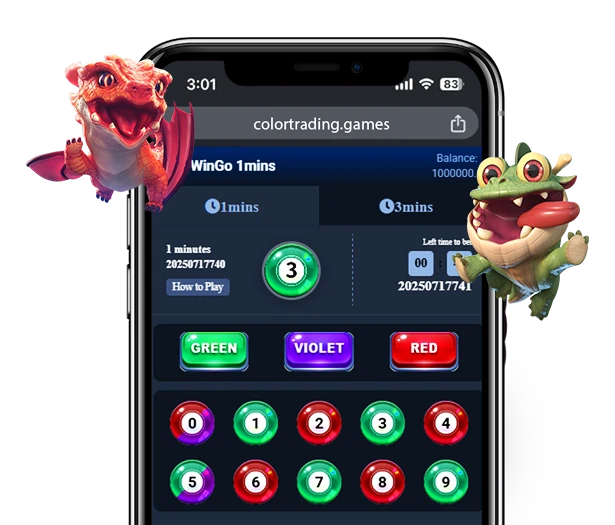
The real site should behave like a stable platform, not like a hype page. You should be able to understand what the game is, where to try demo mode, and how to learn basic strategy before risking money. If the site cannot explain the product without immediately pushing you toward predictions, VIP groups, or secret formulas, that is a warning sign.
At a minimum, an official and safer platform should show these signals:
- A clear primary domain that you can bookmark and return to consistently
- A working demo mode that lets new players learn the game flow without pressure
- A readable strategy section that focuses on discipline, bankroll control, and realistic expectations
- No claims of guaranteed profits, fixed prediction accuracy, or insider access
- A stable interface that loads normal game and content pages, not just deposit prompts
These signals do not magically prove that a platform is perfect, but they do separate educational products from obvious traps.
How to Check a Domain Before You Trust It
The fastest useful check is to slow down for five minutes before you sign up. Look at the exact domain. If the name looks slightly off, uses extra words, or appears only in ad copy, stop there. A clone can look visually similar while still living on a completely different address.
Then check how the site presents itself. Does it explain the rules in plain language? Does it point you to demo play first? Does it talk about risk and decision making, or only about easy money? A real platform can afford to educate. A fake one usually cannot, because the objective is not retention. It is conversion.
You should also pay attention to behavior after the first click. Scam pages often push one of these patterns:
- Urgent messages claiming that a limited bonus expires in minutes
- Telegram or WhatsApp links that promise private predictions
- Edited screenshots instead of product documentation
- Large first deposits with weak explanation of withdrawals
- APK downloads from random links instead of a normal browser experience
If two or more of those appear before you have even learned the game, you are probably not dealing with the real website.
Why Demo Mode Matters More Than Promotional Claims
One of the simplest ways to test whether a platform is serious is to see how it treats beginners. Real products benefit when a new player understands the pace, the timer, and the bet types before switching to live play. That is why demo mode matters. It gives you a friction free way to learn the interface and the emotional rhythm of short rounds.
Fake sites often skip this step. They either hide demo mode, make it unusable, or replace learning content with pressure tactics. That is because an informed user is harder to exploit. When a platform encourages you to try demo play first, it usually means it is more interested in long term trust than immediate deposits.
Common Red Flags on Clone Platforms
Not every suspicious site uses the same script, but the patterns repeat. You should be cautious if a website spends more time on profit promises than on game explanation. You should also be cautious if every page repeats the same vague idea that a prediction method can beat the system every time. Probability games do not work that way.
These are the most common red flags:
- "100 percent win rate" claims
- "Secret algorithm" or "master prediction formula" language
- Large featured earnings with no explanation of loss control
- Deposit first, learn later flows
- Support channels that exist only inside chat apps
- Withdrawal stories that you cannot independently verify
A trustworthy platform can still market itself, but it does not need impossible promises to do it.
A Safe First Session Checklist
If you want a simple rule, use this checklist before you do anything with real money:
- Open the site directly and bookmark the domain you verified
- Read the beginner explanation and check whether the rules are clear
- Use demo mode for a few sessions
- Read at least one risk focused article in the strategy section
- Test your own discipline before you test your bankroll
This process is slower than clicking the first ad. It is also much safer.
Final Take
The official Color Trading website should make it easier to understand the game, not harder. It should give you a consistent domain, educational pages, and a practical demo experience. A clone site usually does the opposite: it compresses the decision, inflates the reward, and removes the learning step.
If you are unsure, do not rely on design alone. Verify the domain, compare the trust signals, and favor the platform that helps you learn before it asks you to risk money. In a space filled with copies, the real edge is not speed. It is careful verification.