
Colour Trading is a short round prediction game where players choose an outcome before the timer ends and then wait for the system to reveal the result. It feels simple because the choices are clear, the interface is fast, and each round finishes quickly. That simplicity is the main reason new players are drawn to it. You do not need to learn a complicated board, a large rulebook, or a long setup. You only need to understand what you are predicting, how fast the rounds move, and how to control your decisions.
What Colour Trading Actually Means
At the most basic level, Colour Trading is about making a prediction on a timed round. Depending on the platform, the available options may include colour outcomes such as red, green, or violet, and may also include related options such as number or size categories. The key idea is the same: you place a choice before the countdown ends, and the round resolves shortly after that.
That is why the game appeals to beginners. The barrier to entry is low. You can understand the round structure in minutes. The harder part is not the rule itself. The harder part is adapting to the speed and resisting the urge to overreact after each result.
How a Typical Round Works
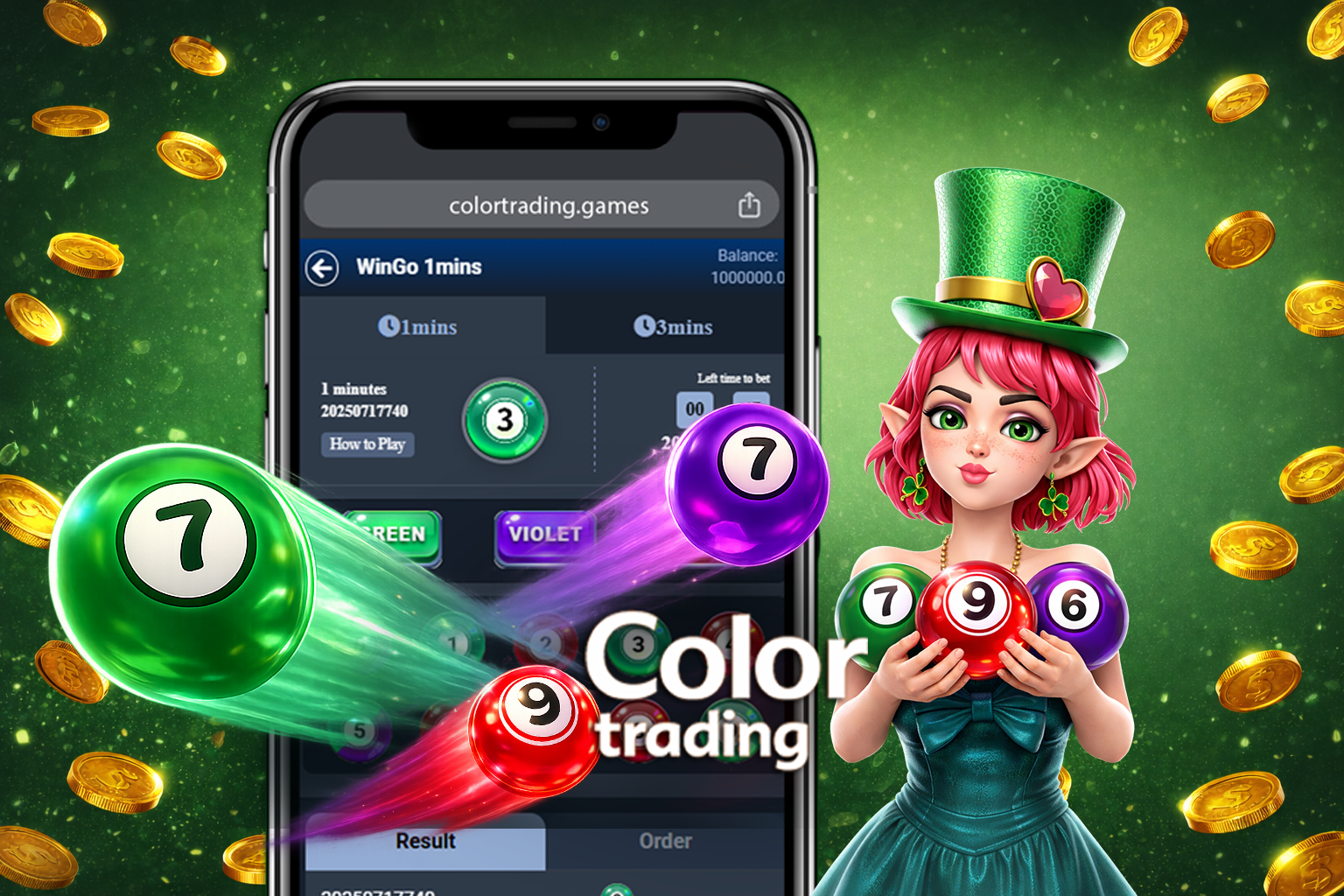
A normal round follows a simple sequence. First, the interface displays the countdown. Second, you choose an outcome before time runs out. Third, the round closes and the system publishes the result. Then the next round begins. Because this loop happens quickly, a new player can go from "I think I understand it" to "I already made five rushed decisions" very fast.
That is why understanding the round structure is more important than memorizing random tips. Before you think about strategy, you should know:
- How much time you really have to place a choice
- Which outcomes are available in each round
- How the platform displays the final result
- How fast the next round begins
Once those pieces are familiar, the game becomes easier to read and much less stressful.
Why New Players Often Misread the Game
Many beginners assume that fast rounds mean easy profits. That is usually the first bad assumption. A quick game is not the same thing as a predictable game. Fast cycles make it easier to place more decisions, but they also make it easier to chase losses, change your mind at the last second, or forget the plan you started with.
Another common misunderstanding is thinking that Colour Trading is about discovering a perfect pattern. In practice, disciplined players focus less on certainty and more on consistency. They care about session control, bet size, and emotional timing. The platform may be easy to operate, but the player still has to manage behavior carefully.
What Beginners Should Learn First
If you are new, your first objective should not be to win as much as possible. Your first objective should be to build a stable routine. That routine usually starts with four basics:
- Understand the round speed and interface layout
- Know which bet types exist and what they mean
- Decide in advance how much you are willing to risk in one session
- Practice in demo mode before using real money
Those steps sound less exciting than prediction claims, but they are the foundation that prevents early mistakes.
Why Demo Mode Is the Best First Step
Demo mode is useful because it separates learning from pressure. When you are not trying to recover a loss or protect a win, you can pay attention to how the game actually behaves. You can test whether a round feels too fast for your current pace. You can watch how often you change your mind late. You can see whether a strategy idea makes sense in practice or only sounds good in theory.
That is why the safest recommendation for any new player is the same: start with the Colour Trading demo. Use it long enough to understand the product, not just long enough to click around once.
How Colour Trading Differs From Other Prediction Games
Compared with broader number based or multi rule prediction games, Colour Trading usually feels cleaner. The choices are easier to recognize, the round loop is faster, and the learning curve is shorter. That does not make it risk free. It makes it easier to start. For beginners, that difference matters. A simple structure helps you focus on discipline instead of on decoding the interface.
It is also one reason the game is often misunderstood. Because the rules are simpler, some players believe skill is unnecessary. In reality, simple games punish impulsive behavior very efficiently. The easier the button is to click, the more important your self control becomes.
A Better Way to Approach Your First Sessions
A practical first session is quiet and deliberate. Try a limited number of rounds. Observe the timer. Place small, intentional decisions. Stop if the pace feels rushed. Afterward, review what happened. Did you follow your plan? Did you change choices under pressure? Did you speed up after one win or one loss? These questions teach more than copying random internet predictions.
You can also support demo practice with educational reading. The strategy section is more useful when you treat it as a set of habits rather than a shortcut to guaranteed wins. A good beginner strategy teaches patience, not certainty.
Final Take
Colour Trading is easy to start but not wise to rush. The game works because each round is simple, fast, and accessible to new players. The risk comes from how quickly that simplicity can turn into impulsive behavior. If you want the best start, learn the round flow, practice in demo mode, and treat your early sessions as training rather than proof that you need to win immediately.
That approach may feel slower, but it gives you something more valuable than speed: a real understanding of what Colour Trading is and how to play it without making avoidable beginner mistakes.