

Most Colour Trading players lose early for a simple reason: they start acting before they have built a repeatable process. The game itself is fast, but beginner losses usually come from behavior, not from mysterious bad luck. New players rush into live rounds, increase bet size too quickly, react emotionally after one or two results, and confuse excitement with confidence. That combination is enough to break a session long before any real learning happens.
The Real Cause of Early Losses
When people first see Colour Trading, they often think the challenge is choosing the right colour. In practice, the bigger challenge is making stable decisions under speed. A short round game creates a strong urge to respond immediately. If you win, you want to press the advantage. If you lose, you want to recover quickly. Both reactions can destroy a beginner session in minutes.
This is why early losses tend to cluster around the same habits. The player is not necessarily using the wrong interface. The player is usually moving too fast, risking too much, and trying to fix emotion with another bet.
Mistake 1: Skipping Demo Mode
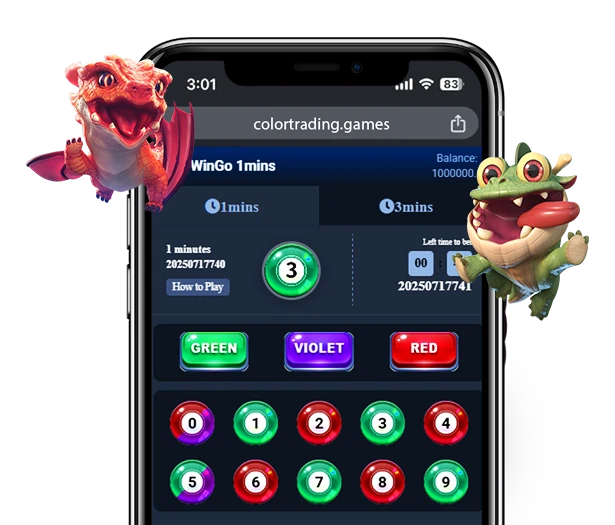
The first major mistake is treating demo play as optional. Beginners often assume they will learn faster with real money because it feels more serious. In reality, that pressure usually makes learning worse. Without demo practice, a new player has no calm way to understand the timer, the pace between rounds, or their own tendency to hesitate.
Demo mode gives you the one thing beginners need most: repetition without consequence. It lets you test how the game feels before emotion becomes part of every decision. That is why the smartest first step is still the most boring sounding one: use the demo mode until the round flow feels familiar.
Mistake 2: Betting Too Large Too Soon
Many early losses are not about being wrong too often. They are about being too large when you are wrong. A beginner who risks too much per round has almost no room to learn. One short streak feels catastrophic, and from there every decision becomes reactive.
A better approach is to treat your first sessions as information gathering. Keep bet size small relative to the total session budget. When size stays controlled, you can survive enough rounds to notice patterns in your own behavior. When size is too large, learning ends as soon as stress arrives.
Mistake 3: Chasing Losses
Chasing is one of the fastest ways to turn a manageable session into a bad one. It usually starts with a thought that sounds reasonable: "I only need one good round to get back." The problem is that this mindset shifts the goal from making a clean decision to forcing a repair. Once that happens, timing, size, and discipline all get worse.
Players who avoid chasing usually set session rules in advance. They know how much they are willing to risk, when to stop, and what a normal losing stretch looks like. Those limits may feel restrictive, but they prevent one emotional round from becoming ten emotional rounds.
Mistake 4: Confusing Strategies With Guarantees
Another common beginner error is expecting a strategy to remove uncertainty. Real strategy does not work like that. A useful strategy gives structure to your decisions. It does not promise that every round becomes predictable. When beginners misunderstand this, they abandon good habits too quickly or jump between systems every few minutes.
The better use of strategy is simple: pick one approach, test it in demo mode, and review whether you can follow it calmly. The strategy section is most helpful when you use it to build routine, not when you search for certainty.
Mistake 5: Playing in the Wrong Mental State
Colour Trading is a poor game for impatience. If you are tired, frustrated, distracted, or trying to recover a bad mood, the speed of the rounds will amplify those conditions. That is why two players with the same information can have completely different outcomes. One is calm enough to wait. The other is trying to solve emotion with action.
A practical rule is to stop as soon as you notice urgency rising. If you feel the need to force the next round, you are no longer making the same quality of decision you made at the start.
What Smarter Players Do Instead
Players who last longer usually look less dramatic. They do not chase every opportunity. They do not keep changing plans. They use simple habits over and over:
- They warm up in demo mode before live sessions
- They keep size small while learning
- They stop when the session turns emotional
- They review process, not just wins and losses
- They treat strategy as structure rather than magic
These habits look ordinary, but they are exactly what most early losers skip.
A Safer Beginner Routine
If you want one routine that reduces avoidable losses, use this sequence. Read one beginner article. Test the idea in demo mode. Decide your session budget before live play starts. Keep the first few sessions short. When the session ends, write down what triggered your worst decisions. This is how players build control.
The point is not to remove all losses. The point is to stop making the same preventable mistakes at full speed.
Final Take
Most Colour Trading players lose early because they make real money decisions before they have real process discipline. They skip demo learning, size too aggressively, chase losses, expect certainty from strategies, and keep playing after emotion takes over. None of those mistakes are necessary.
If you slow down, use demo mode, learn from the strategy guides, and treat discipline as the main skill, your early sessions become much more useful. The biggest beginner edge is not prediction. It is control.